I'm going to give you the honest version of this — the version based on having lived it, not just having studied it.
Recovery without faith works for some people. I've seen it. But for a lot of people — especially people who grew up in the church, or who have a faith somewhere underneath the damage — something is missing from a purely secular approach. The missing piece is the thing that addresses not just the behavior but the reason for the behavior. The wound underneath the habit. The identity question that stays loud even after the substance is gone.
Faith-based addiction recovery takes the clinical and behavioral tools of modern addiction treatment and adds the one thing willpower can't provide: genuine transformation at the level of who you actually are.
What Faith-Based Recovery Actually Looks Like
Let me separate this from the caricature. Faith-based recovery is not:
- Praying away an addiction without any practical structure
- Replacing clinical treatment with Bible verses
- Being told you'd be fine if you just believed harder
- Ignoring the medical dimensions of addiction
Faith-based recovery is:
- Clinical and behavioral tools plus spiritual accountability and community
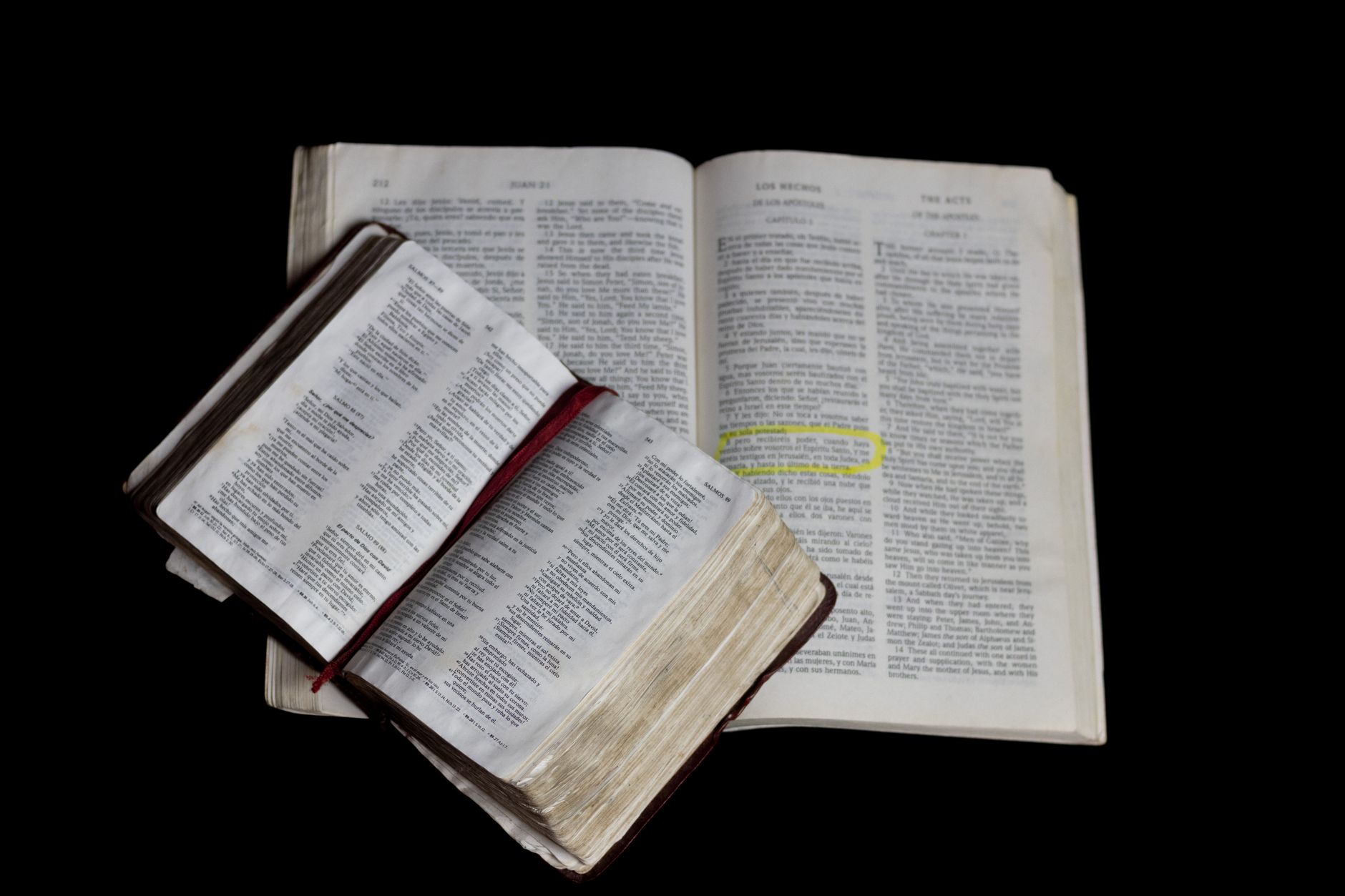
- Scripture as a foundation for identity, meaning, and daily strength
- Prayer as a daily practice that addresses the emotional and spiritual triggers
- Community that holds you accountable and prays for you consistently
- A theological framework that offers genuine hope — not just management
The best faith-based programs (Celebrate Recovery, Teen Challenge, the recovery courses inside FaithSpark) integrate all of this. They don't choose between the practical and the spiritual. They insist on both.

Why Spiritual Dimension Matters in Recovery
Research backs what people in recovery already know: spiritual practice is one of the strongest predictors of long-term sobriety. Not because God magically removes the desire, but because faith does three things that pure willpower can't:
1. It addresses identity. One of the most destabilizing things about addiction is what it does to your sense of self. "I'm an addict" can become the deepest truth you believe about yourself. Faith directly confronts that: "If anyone is in Christ, the new creation has come: The old has gone, the new is here" (2 Corinthians 5:17). That's not motivational language. It's a claim about who you actually are, at the deepest level.
2. It addresses meaning. Recovery requires you to answer the question: what is my life for? Without an answer, the emptiness that the substance was filling stays empty. Faith gives you an answer — a purpose larger than staying sober — that makes the daily work of recovery point toward something.
3. It provides daily strength beyond willpower. "I can do all things through Christ who strengthens me" (Philippians 4:13) is not a sports slogan. For someone in recovery, it's a claim that the strength available to them exceeds their own. Prayer, daily Scripture, and connection to God aren't supplements to recovery. They're the daily source of the strength recovery requires.
The Five Recovery Courses Inside FaithSpark
FaithSpark has five complete Christ-centered recovery courses available free in the app and at app.faithspark.app:
Freedom — A Christ-Centered Journey to Recovery (addiction broadly) From Rage to Peace — A Christ-Centered Path Through Anger Healing From the Inside Out — A Christ-Centered Path Through Self-Harm Pure Freedom — A Christ-Centered Path Through Pornography Addiction All In for God — A Christ-Centered Path Through Gambling Addiction
Each course is structured around Scripture, honest reflection, and practical daily steps. They're not a substitute for a sponsor or a treatment program — but they're what happens between meetings, between sessions, every day.
Daily Faith Practices That Support Recovery
Beyond the structured courses, the daily faith practices inside FaithSpark are built specifically with recovery in mind:
Daily devotional. A personalized morning reflection that speaks to your specific situation — including where you are in your recovery journey.
Guided prayer for temptation. When a craving hits and you're alone, FaithSpark's guided prayer feature walks you through prayer for that specific moment — not a generic prayer, but one targeted to the struggle of staying clean.
Community prayer board. Post a prayer request and have real believers pray for you. Recovery can be isolating. Knowing you're not alone changes the texture of even the hardest days.
Scripture and verse of the day. Daily Scripture that keeps God's truth in front of you instead of just the voice of the addiction.
A Personal Word on What Actually Works
I've watched people in recovery for long enough to see patterns. The ones who stay clean and sober long-term almost always have a few things in common: accountability (someone who knows their real situation), community (people who pray for them and check in), daily spiritual practice, and a reason bigger than not drinking.
FaithSpark isn't a recovery program. It's the daily spiritual companion that keeps those elements active every single day — not just on meeting nights, not just in crisis moments, but consistently, morning by morning, as a foundation rather than a rescue.
If you're in recovery or supporting someone who is, the Christian recovery page has the full picture of what FaithSpark offers. And the AA daily reflections page has more on how faith and structured recovery programs work together.
For more Scripture grounding, read the Psalm 34 devotional on God's nearness to the brokenhearted on the FaithSpark blog.
Two honest questions:
- In your recovery, what is providing the daily strength — and is that source sustainable long-term?
- What would change if every morning started with Scripture, prayer, and a clear reminder of who you are in Christ?
Download FaithSpark free on the App Store or Google Play.