I grew up going to church but I spent most of my life pretending I understood the Bible more than I did. Someone would quote a verse in a sermon and I'd nod like it made sense, then go home and look it up and still feel lost. The context was missing. I knew the words but not the story behind them.
That changed when I stopped reading verses in isolation and started reading them like what they actually are: letters and poems and histories and prophecy written by real people in real situations, to real audiences with real problems.
Once you understand who wrote something and why, the words start making sense. You don't need a seminary degree. You just need a few basic moves.
The Single Most Important Move: Read What Comes Before and After
This sounds obvious but almost nobody does it. If you look up a single verse, you're missing the sentence it belongs to — which is often missing the paragraph it belongs to — which is missing the chapter and the whole book.
Philippians 4:13 — "I can do all things through Christ who strengthens me" — is one of the most quoted verses in the Bible. It gets printed on gym bags and coffee mugs. But most people don't know it was written by Paul from prison. In context, the verse is about contentment in any circumstance, including suffering — not about athletic achievement.
Context changes everything.
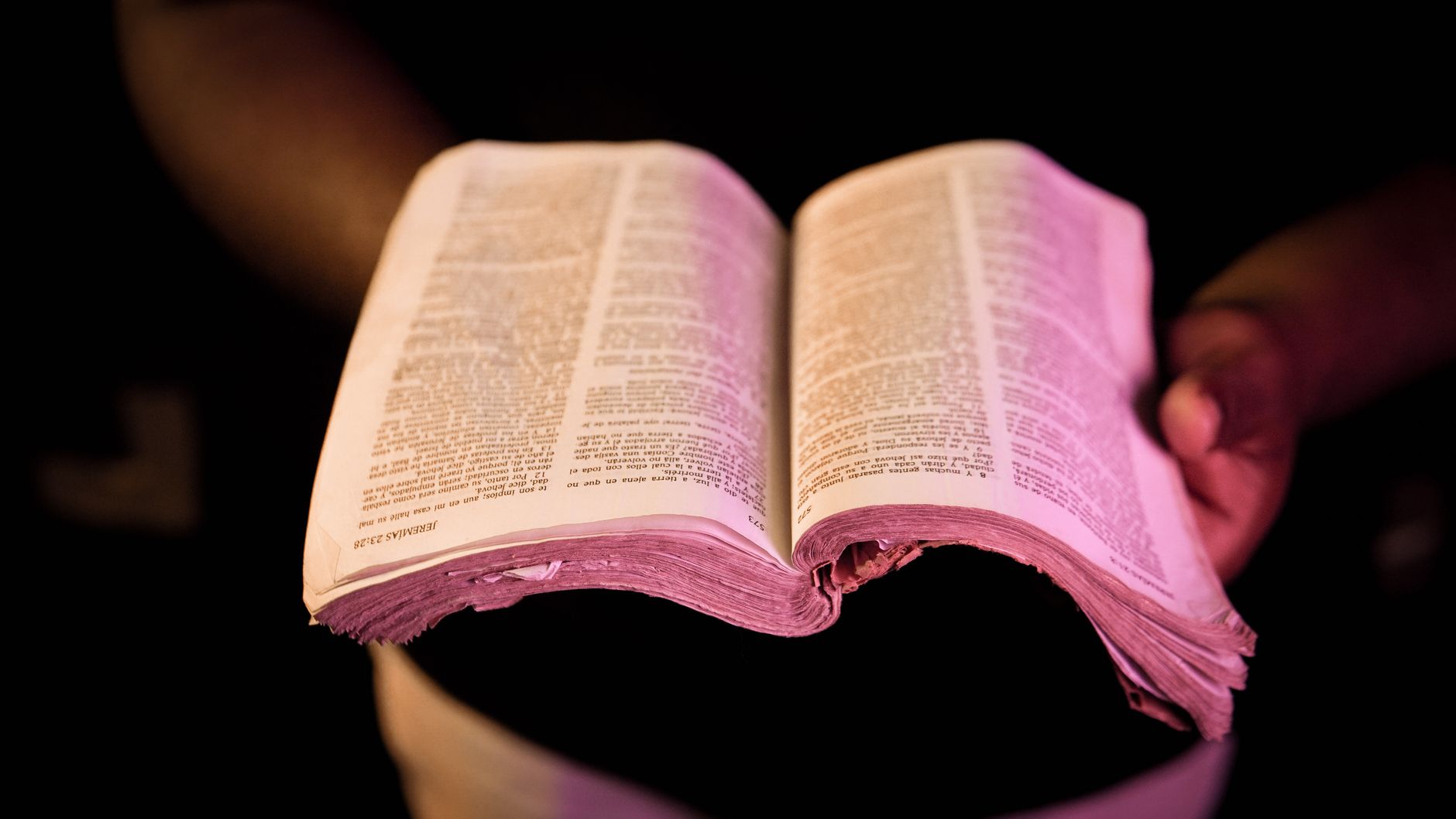
Ask These Three Questions Before You Read
Before you dig into any verse, ask:
1. Who wrote this? Was it a king (David in the Psalms)? A prophet in exile (Isaiah, Jeremiah)? An apostle in prison (Paul in Philippians)? A fisherman writing to early believers (Peter)? Knowing who wrote it tells you their emotional state, their circumstances, and what they were trying to say.
2. Who were they writing to? The Psalms are personal prayers and songs. The letters (Romans, Corinthians, Galatians) were written to specific churches dealing with specific problems. Revelation was written to persecuted Christians in the first century. Understanding the audience changes how you read the message.
3. What's the big theme of this book? Each book of the Bible has a through-line. Genesis is about origins and covenant. Exodus is about deliverance. John is about belief. Romans is about the gospel explained carefully. When you know the theme, the individual passages fit into a larger picture.
Use a Bible App That Explains the Verse
The practical barrier for most people isn't desire — it's access to good explanation. Commentaries are expensive and dense. Study Bibles are better but still require a lot of reading.
That's one of the main things I built into FaithSpark's daily Bible verse app. When FaithSpark gives you a verse, it also gives you the plain-English explanation: who wrote it, what they were going through, what they were saying to their original audience, and what it means for someone reading it today. You don't need anything else to understand the verse. It's all right there.
The Bible scanner does the same thing — point your camera at any printed verse and get the explanation instantly.
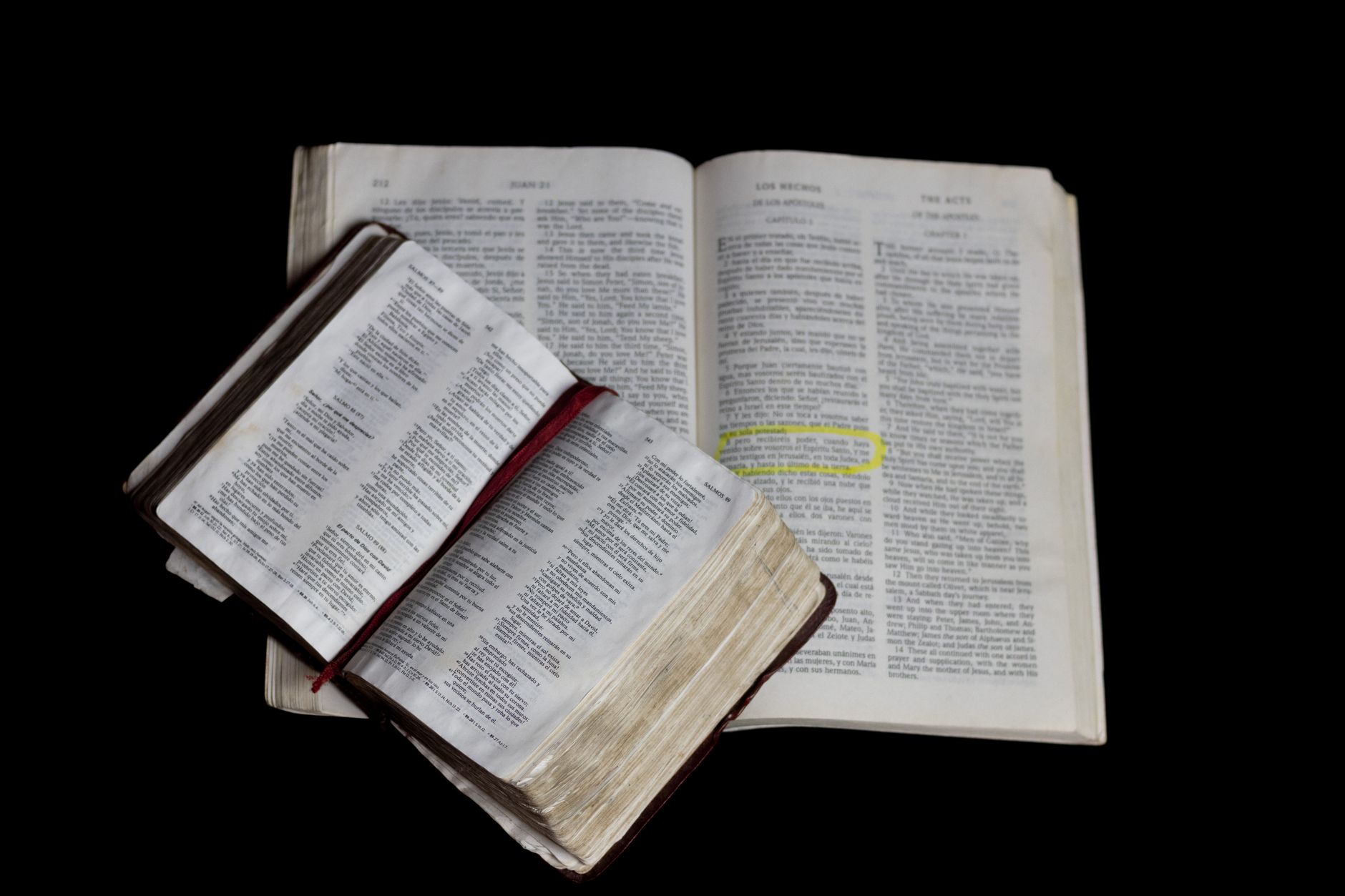
Hard Passages: What to Do When You're Stuck
Some verses genuinely are hard. The book of Job wrestles with suffering in a way that doesn't have easy answers. Some of Revelation is highly symbolic and scholars disagree on its interpretation. Paul's letters sometimes assume knowledge of Jewish law that a modern reader doesn't have.
When you hit a hard passage, here's what works:
- Read more context. The answer is almost always in the surrounding chapters.
- Ask what the verse is NOT saying. Misunderstanding often comes from reading something into a verse that isn't there.
- Sit with the question. Not every hard verse resolves quickly. Some are meant to be prayed over and returned to.
- Use a resource like FaithSpark that gives you the background without overwhelming you with technical commentary.
The goal isn't to master every difficult passage before you can benefit from the Bible. It's to keep reading, keep asking questions, and let God meet you in the parts you do understand while you grow into the parts you don't.
The Simplest Place to Start
If you want to understand the Bible and you don't know where to begin — start with the Gospel of John. It's written to explain who Jesus is to someone who doesn't already know. Clear, narrative, theological, and accessible.
Read one chapter a day. After the 21 chapters of John, you'll have a foundation for understanding almost everything else in the New Testament.
And every morning, open FaithSpark for a daily verse with its explanation already built in. You'll start to see how the Bible fits together — not as a collection of random quotes, but as one long story that's still being written.
You can also read the John 3:16 devotional and the John 14:27 devotional on the FaithSpark blog — both walk through what those verses mean in full context.
Something worth asking yourself:
- Is there a verse you've quoted for years but never fully understood in context?
- What would happen if you spent one week reading the passages around your favorite verse instead of just the verse itself?
Download FaithSpark free on the App Store or Google Play — your daily verse explanation is waiting.