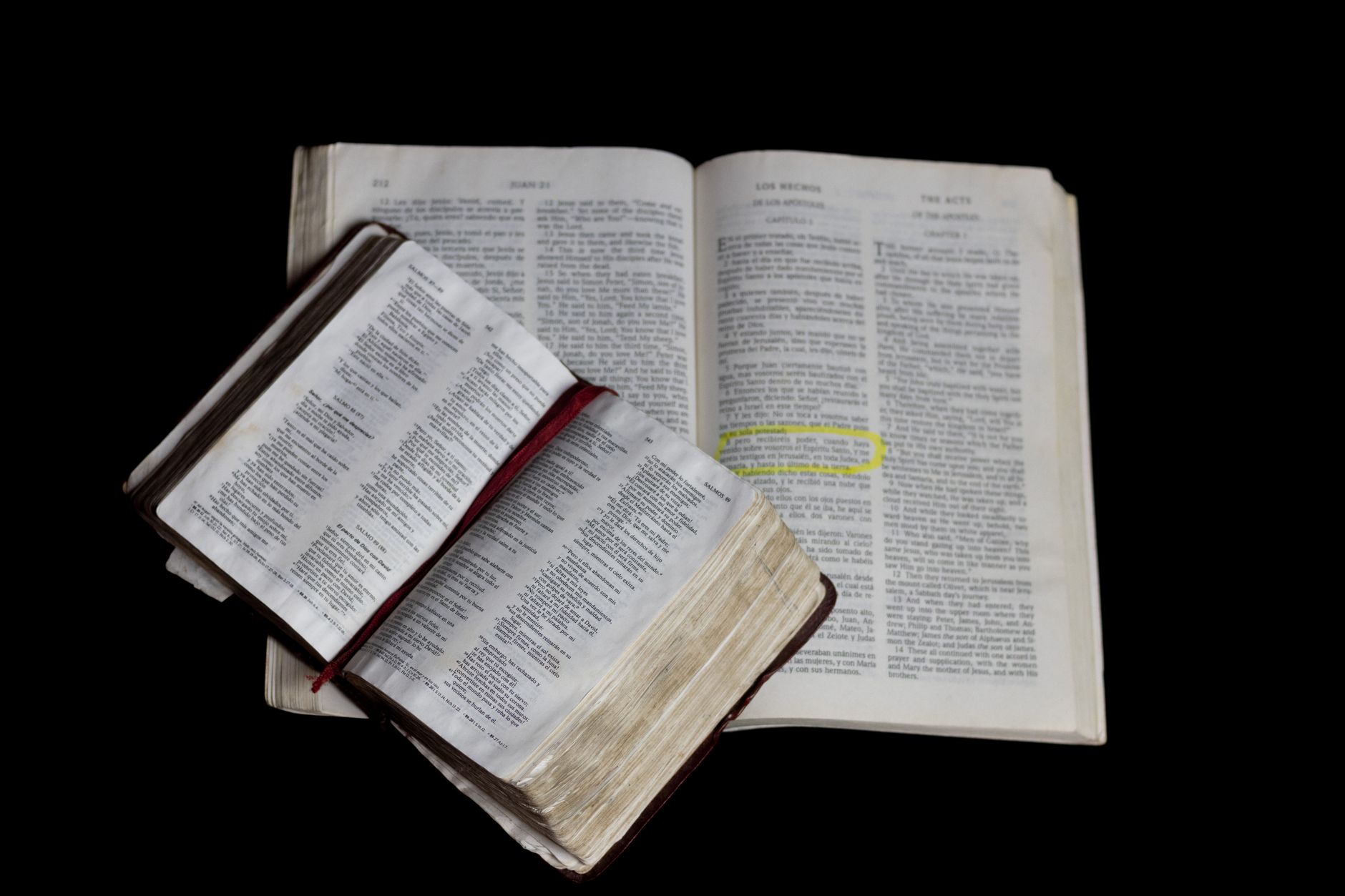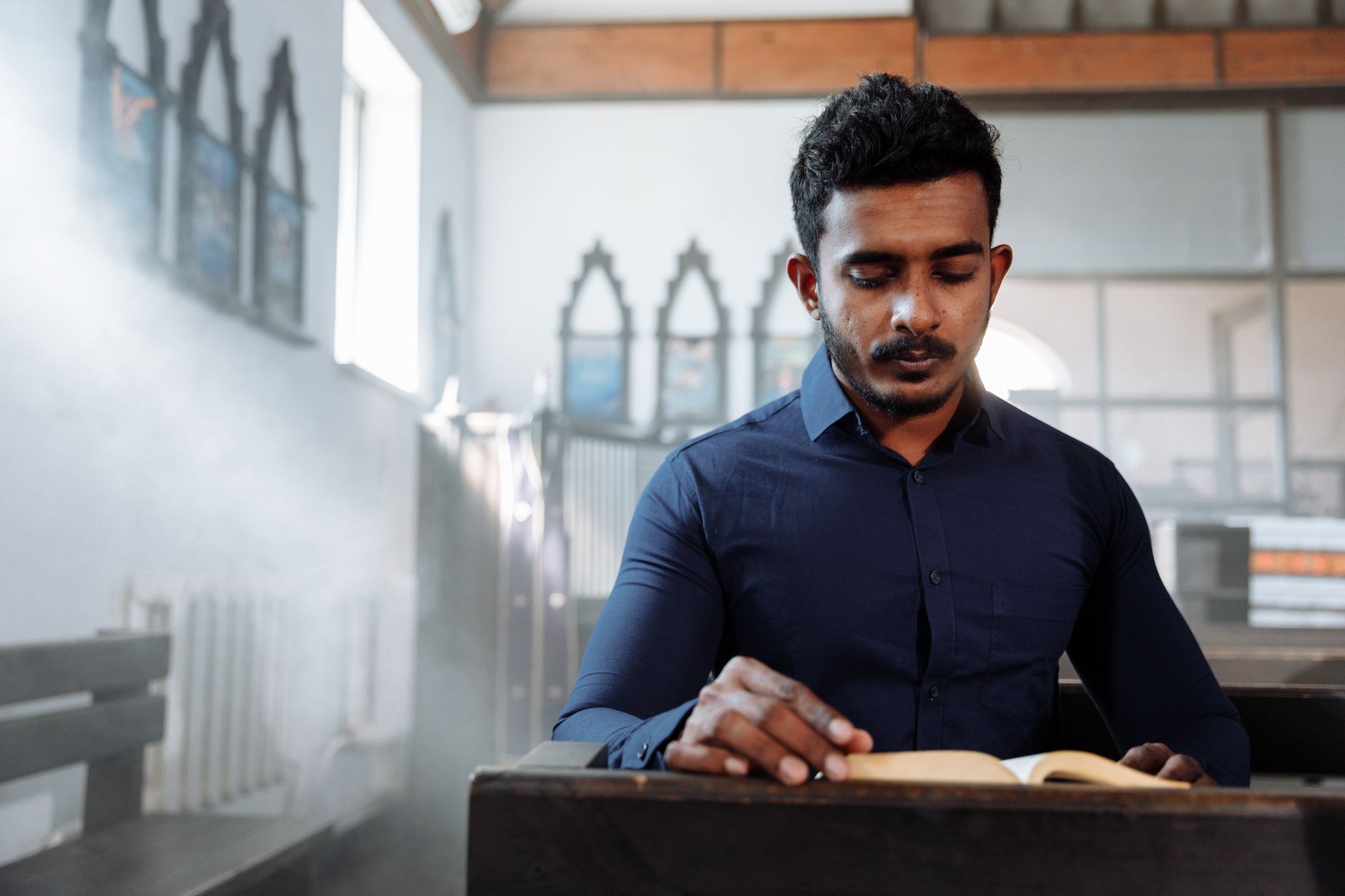
I didn't grow up with a great example of what a man was supposed to look like. My dad struggled with alcohol, and a lot of what I learned about manhood early on was really just learning what I didn't want to become. I found a different picture of it later, through my grandmother's church, and it took me years of being a husband, a dad to five kids, and a guy who's spent a lot of long nights alone in a truck cab to actually start understanding what the Bible means when it talks about being a man.
It's not what I expected. It's not mainly about toughness, and it's not mainly about being soft either. It's something more specific than either of those.
What Does the Bible Actually Say About Being a Man?
There's one verse that I think sums up biblical manhood better than almost anything else in Scripture. Paul wrote it to the church in Corinth, a church that was dealing with division, compromise, and people drifting from what they knew was true.
"Be on your guard; stand firm in the faith; be courageous; be strong. Do everything in love." — 1 Corinthians 16:13-14
Read those two verses together and you get the whole picture. Courage and strength in verse 13. Love in verse 14. Not one or the other — both, in the same breath. A man who is only strong and never loving becomes hard. A man who is only loving and never courageous gets walked over and can't protect or provide for the people counting on him. The Bible doesn't ask you to pick a lane. It asks for both, held together.

Strength That Comes From Somewhere Outside Yourself
"Have I not commanded you? Be strong and courageous. Do not be afraid; do not be discouraged, for the Lord your God will be with you wherever you go." — Joshua 1:9
God said this to Joshua right as he was about to take over leading an entire nation after Moses died. If anyone had a legitimate reason to feel underqualified, it was him. Notice what the strength is actually attached to — not "be strong because you're capable enough" but "be strong because I will be with you." That's the foundation under every other verse about manhood in Scripture. The courage isn't self-generated. It's sourced.
I think a lot of men, myself included at different points, have tried to manufacture strength out of sheer will — gritting through seasons that were genuinely too heavy to carry alone, because admitting you needed help felt like the opposite of manhood. Joshua 1:9 says the opposite. Real strength starts with admitting you need God's presence, not your own grit, to actually make it through.
Manhood Includes Sacrificial Love, Not Just Toughness
"Husbands, love your wives, just as Christ loved the church and gave himself up for her." — Ephesians 5:25
This is the verse that reframed manhood for me more than any other. Christ's love for the church wasn't passive — it was a love that gave itself up. Sacrificed. Put someone else's good ahead of His own comfort. That's the standard the Bible holds up for how a man is supposed to love the people in his life, especially his family.
There's nothing soft about that kind of love. Giving yourself up for someone else, day after day, in ordinary ways nobody's applauding — getting up early, showing up tired, choosing patience when you're running on empty — that takes more strength than most physical toughness ever will. Biblical manhood isn't the absence of sacrifice. It's defined by it.
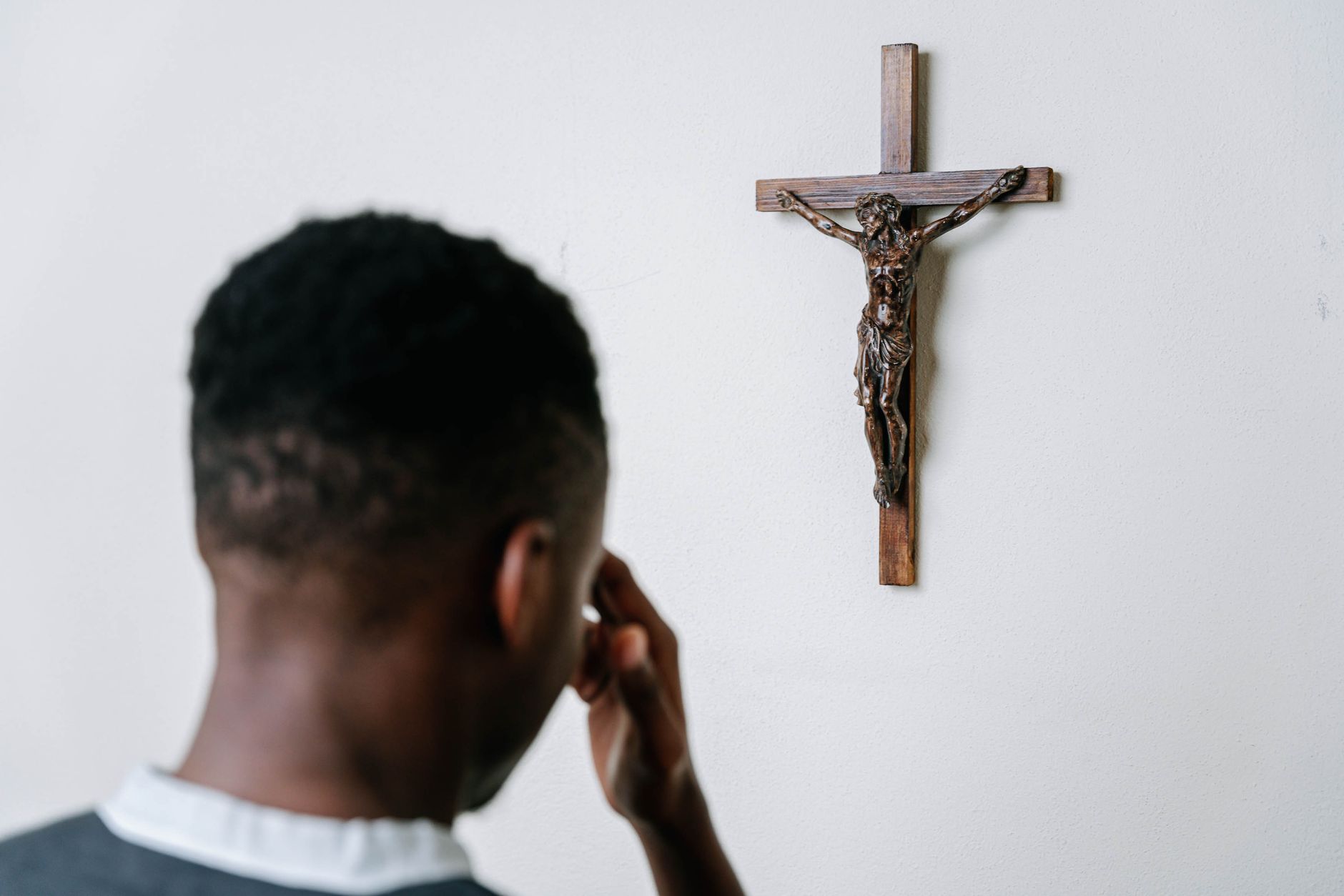
Growing Up — Putting Away Childish Things
"When I was a child, I talked like a child, I thought like a child, I reasoned like a child. When I became a man, I put the ways of childhood behind me." — 1 Corinthians 13:11
This verse isn't about age. I know plenty of men decades into adulthood still reasoning like children — avoiding responsibility, blaming everyone else, refusing to grow past where they got stuck. And I know younger men who've had to grow up fast and carry real weight well before they should have had to.
Becoming a man, biblically, is a posture of maturity: taking ownership, telling the truth even when it costs you, following through on what you said you'd do. It's a decision you make, sometimes daily, not a milestone you hit and never have to think about again.
A couple of questions worth sitting with:
- Where in your life are you still reasoning like a child instead of stepping into the maturity God's calling you toward?
- What would it look like to bring your real strength — and your real exhaustion — honestly to God instead of pretending you don't need either?
If you're in a season where you're running low and don't have much left to give, the Isaiah 40:31 devotional is God's promise of renewed strength for exactly that. If fear is more what you're wrestling with, Isaiah 41:10 is God's direct answer to it. And the daily devotional for men goes deeper into what it looks like to walk this out day to day. If you want to see what trusting God all the way through looks like when it costs everything, the Genesis 22 devotional is Abraham's story of exactly that.
A Simple Prayer
Lord, thank You that manhood isn't something I have to manufacture out of nothing. You said be strong and courageous because You are with me — not because I've got it all figured out. Teach me to love sacrificially, the way Christ loved. Where I'm still reasoning like a child, grow me up. Where I'm running on empty, be my strength. Amen.
If this spoke to where you're at, FaithSpark has daily devotionals built for exactly this kind of growth — real strength, real honesty, no performance required. Browse more on the FaithSpark blog, visit faithspark.app, or download FaithSpark free on iOS — coming soon to Android.