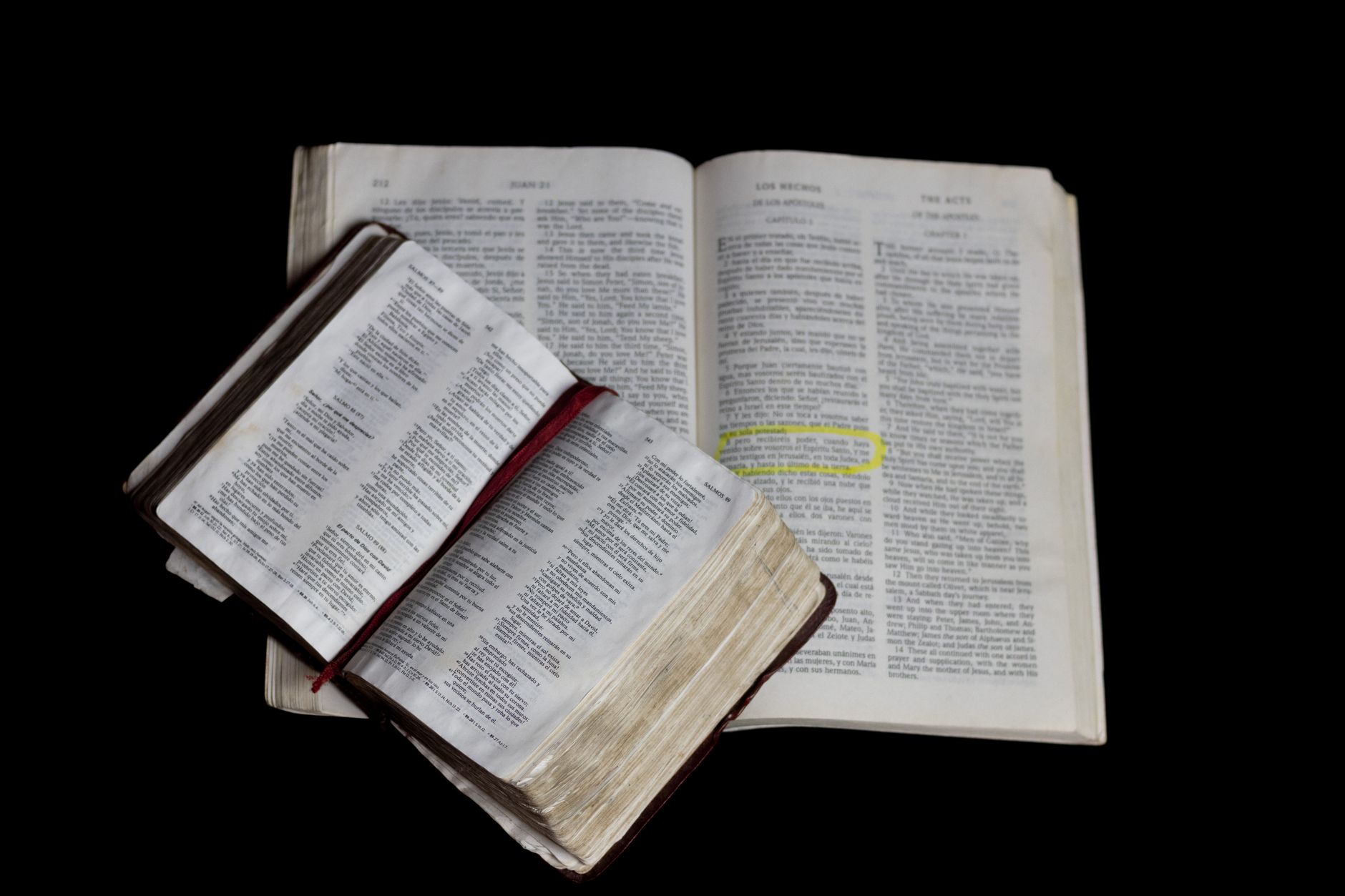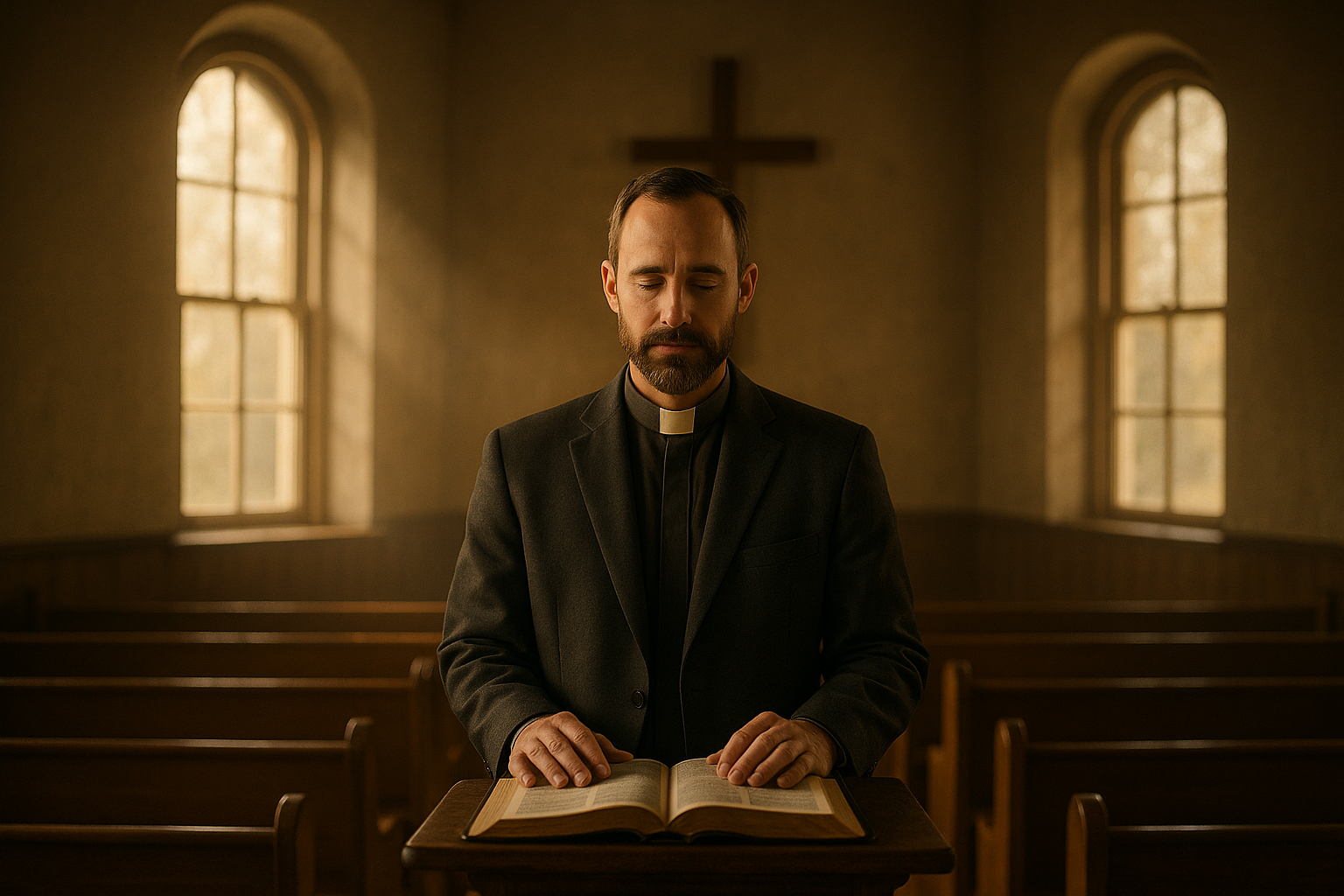
Building FaithSpark, I've talked to a lot of people who've been genuinely hurt by a pastor, and a lot of people who say their pastor is the reason they're still walking with God at all. Both groups are talking about the same role in Scripture, which tells me something — what the Bible actually says a pastor is supposed to be matters a lot, and it's easy to drift from it in either direction, as a leader or as a congregation member.
So I wanted to actually look at what Scripture says, instead of going off what I've experienced or heard secondhand.
What Does the Bible Actually Say About Pastors?
"So Christ himself gave the apostles, the prophets, the evangelists, the pastors and teachers, to equip his people for works of service, so that the body of Christ may be built up." — Ephesians 4:11-12
The word that jumps out to me every time is equip. Not "do all the ministry himself" — equip. Train. Prepare. Release. A pastor's job, biblically, isn't to be the only one doing the spiritual work in a church. It's to build up the congregation so they're capable of doing it themselves. If a church can only function when the pastor personally handles everything, that's not actually the model Scripture lays out.
That reframes a lot. A good pastor's success isn't measured by how needed he is — it's measured by how equipped the people around him become.

A Shepherd's Heart, Not a Position of Control
"To the elders among you, I appeal... be shepherds of God's flock that is under your care, watching over them — not because you must, but because you are willing, as God wants you to be; not pursuing dishonest gain, but eager to serve; not lording it over those entrusted to you, but being examples to the flock." — 1 Peter 5:1-3
Peter is direct here in a way I appreciate — he names exactly what pastoral leadership isn't supposed to look like. Not forced obligation. Not chasing money. Not lording authority over people. The picture instead is willingness, genuine care, and leading by example rather than by control.
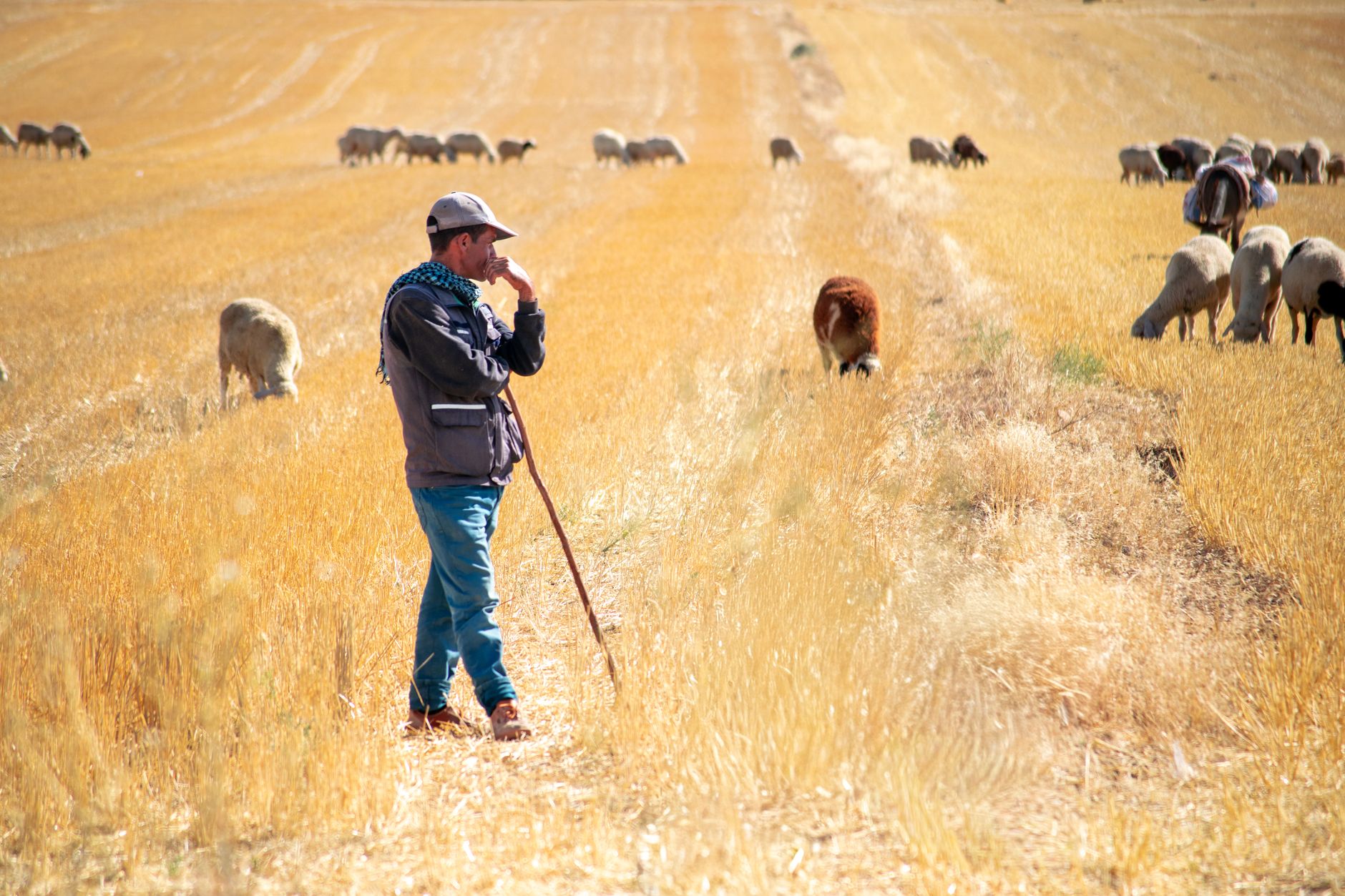
The shepherd imagery matters too. A shepherd doesn't drive sheep from behind with force — he leads from in front, and the sheep follow because they trust him, not because they're being pushed. That's a completely different posture than a CEO running an organization. It's relational and personal, not transactional.
Real Standards, Not Just Talent
"Now the overseer must be above reproach, faithful to his wife, temperate, self-controlled, respectable, hospitable, able to teach, not given to drunkenness, not violent but gentle, not quarrelsome, not a lover of money... He must manage his own family well." — 1 Timothy 3:2-4 (condensed)
Notice what's not on this list — natural charisma, public speaking skill, the ability to grow a big church fast. The qualifications Paul gives Timothy are almost entirely about character, consistency, and how a man manages his own life and household before he's ever given responsibility for a church. Gifting matters, but it was never meant to substitute for godly character.
How We're Called to Treat Our Pastors
"Obey your leaders and submit to their authority, because they keep watch over you as those who must give an account. Do this so that their work will be a joy, not a burden, for that would be of no benefit to you." — Hebrews 13:17
This verse cuts both directions. Pastors are told they'll give an account to God for how they shepherd — that's a heavy responsibility, not a position to take lightly or abuse. And the congregation is told to make that load a joy rather than a burden through genuine respect and support. Healthy church leadership isn't a one-way street where the pastor demands obedience or the congregation demands performance. It's mutual, with real accountability running through it.
A couple of questions worth sitting with:
- If you're in church leadership, are you equipping the people around you, or quietly making yourself indispensable?
- If you're not in leadership, is your posture toward your pastor making their work a joy or a burden right now?
If you've been hurt by church leadership before and you're not sure how to trust again, the story of Joseph in Genesis 37 — betrayed by the people closest to him, but never abandoned by God — might speak to that more than you'd expect. The God Uses Ordinary Women devotional is a good reminder that ministry was never meant to rest on one person's shoulders alone. And if you're carrying weariness from serving others, even in leadership, Isaiah 40:31 is God's promise of renewed strength for exactly that kind of tired.
A Simple Prayer
Lord, thank You for the pastors and leaders who've shepherded me well, and I ask for healing in the places where leadership let me down instead. If I'm in a position of leadership myself, keep me from lording it over anyone — make me eager to serve and quick to equip others instead of needing to be needed. Build Your church the way You actually designed it, not the way our culture often shapes it. Amen.
Whether you're leading or being led, FaithSpark's devotionals are built to support your walk with God either way — no replacement for your local church, just something to anchor your days in between. Browse more on the FaithSpark blog, visit faithspark.app, or download FaithSpark free on iOS — coming soon to Android.